
Self-Harm Treatment for Teens in Scottsdale, AZ
Self-harming behaviors can leave families feeling alarmed and unsure of how to respond. At Teen Tree in Scottsdale, we provide structured, thoughtful care to help teens move away from self-injury and develop healthier ways to manage emotional distress.
If your teen has begun hurting themselves, professional guidance is available. You don’t have to go through this situation alone.

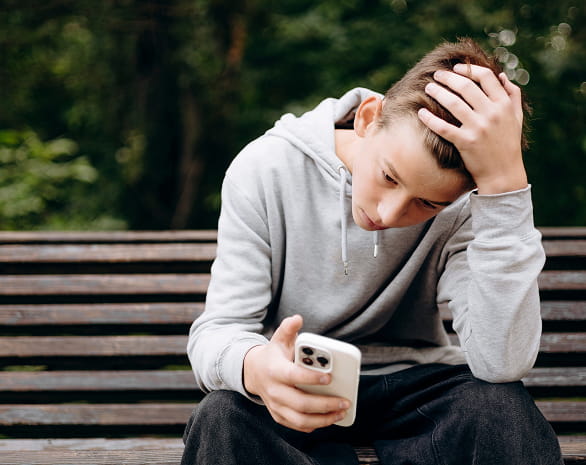
Indicators a Teen May Be Self-Harming
Self-injury does not always present in obvious ways. Warning signs may include physical evidence, mood shifts, or behavioral changes such as:
- Underlying anxiety or depression
- Exposure to trauma or chronic stress
- Conflict within family or peer relationships
- Bullying or social rejection
- Body image concerns or disordered eating
- Influence from peers who self-harm
Identifying these influences enables treatment to address the root causes rather than focusing solely on surface behaviors.
A Safe Environment for Scottsdale Teens
When emotions feel unmanageable, adolescents need a setting that makes them feel protected and understood. Our Scottsdale program offers a calm, clinically grounded space designed specifically for teens who are struggling with self-harm.
Rather than focusing only on stopping the behavior, our team works to understand the emotional drivers behind it. Through individualized care plans, we help teens strengthen coping skills, build self-awareness, and restore a sense of internal control. Meaningful change begins when teens feel genuinely supported.
What Self-Harm Means for Adolescents
Non-suicidal self-injury (NSSI) often begins during the early teenage years. While it is not classified as its own diagnosis, it typically signals significant emotional strain beneath the surface.
For many teens, self-injury becomes a way to release overwhelming feelings or momentarily escape emotional pain. It is usually not intended as a suicide attempt, but rather as a maladaptive coping response to distress.
Shame and secrecy frequently accompany these behaviors, making them difficult to detect. Without intervention, self-harm can become cyclical and more entrenched. Early clinical support can interrupt that pattern and guide teens toward safer alternatives. At Teen Tree, we partner with families to better understand what their teen is experiencing and how to respond constructively.
Factors That Contribute to Self-Injury
Self-harm typically develops as a response to internal distress rather than a desire to die. Teens may rely on physical pain to cope with emotional overwhelm. Contributing factors often include:
- Underlying anxiety or depression
- Exposure to trauma or chronic stress
- Conflict within family or peer relationships
- Bullying or social rejection
- Body image concerns or disordered eating
- Influence from peers who self-harm
Identifying these influences enables treatment to address the root causes rather than focusing solely on surface behaviors.
Our Approach to Treating Self-Harm at Teen Tree
Teen Tree designs customized treatment plans based on each adolescent’s emotional needs and personal history. The goal is to replace harmful behaviors with constructive coping tools while strengthening emotional regulation skills. At Teen Tree in Scottsdale, our clinical team uses a combination of evidence-based therapies tailored to each teen’s treatment plan. Our residential setting allows for intensive, daily therapeutic engagement. Services may include:
- Individual counseling sessions
- Dialectical Behavior Therapy (DBT)
- Cognitive Behavioral Therapy (CBT)
- Trauma-informed therapeutic methods
- Family therapy and parent guidance
- Experiential and creative therapy modalities
- Educational coordination and academic support
- Medication evaluation when appropriate
- Ongoing case management and discharge planning
This comprehensive model promotes safer coping strategies and long-term emotional stability.
Talk with our admissions team today and take the first step toward healing and hope.
FAQs
What should I do if I find out my teen is self-harming?
If you discover your teen is engaging in self-harm, approach the situation calmly and without judgment. Express concern, listen openly, and avoid reacting with anger or panic, which can increase shame or secrecy. Seeking a professional evaluation is recommended so clinicians can assess underlying emotional distress and recommend appropriate treatment and support.
Is self-harm a sign of suicidal intent?
Self-harm is often not intended as a suicide attempt. Many teens use non-suicidal self-injury as a way to cope with overwhelming emotions or psychological pain. However, it can indicate significant distress and may increase future risk if left unaddressed. A clinical assessment helps clarify safety concerns and determine the most appropriate level of care.
What therapy is used for self-harm in teens?
Treatment commonly involves evidence-based approaches such as Dialectical Behavior Therapy (DBT) and Cognitive Behavioral Therapy (CBT), which focus on emotional regulation and healthier coping strategies. Programs may also incorporate trauma-informed therapy, individual counseling, family therapy, experiential therapies, and medication evaluation when clinically indicated.
How long does self-harm treatment take?
The length of treatment varies based on the severity of self-harm behaviors, co-occurring mental health conditions, and individual progress. Some teens benefit from short-term stabilization, while others require longer residential or step-down care to reinforce coping skills and emotional stability. Ongoing aftercare planning supports sustained recovery.
What are common warning signs that a teen may be self-harming?
Indicators may include unexplained cuts, burns, or bruises, wearing concealing clothing in warm weather, visible scarring, social withdrawal, hiding sharp objects, or increased isolation. Behavioral and emotional changes such as mood swings or discussing self-injury can also signal concern. Professional evaluation is advisable if these signs are present.
How does Teen Tree support teens recovering from self-harm?
Teen Tree provides individualized treatment plans within a structured residential setting. Care may include daily therapeutic engagement, skills development for emotional regulation, family involvement, academic coordination, and discharge planning. The goal is to address underlying emotional drivers while helping teens develop safer coping strategies and long-term resilience.


Self-Harm Recovery Begins Here
Watching your teen engage in self-injury can feel overwhelming. With appropriate clinical care, however, progress is achievable. Teen Tree in Scottsdale provides structured, compassionate treatment designed specifically for adolescents.
If your teen is showing signs of self-harm, we encourage you to reach out. Our team is available to discuss options, answer questions, and help determine the next appropriate steps.